Photogaleries

PEREH anti-tank missile carrier gallery

pereh1
The history of the Pereh is inextricably linked to that of another weapon secretly developed by Rafael Advanced Defense Systems: the Tamuz long-range anti-tank missile. This missile was developed in the late 1970s and entered service in 1983, then it was decided to develop a launcher vehicle to carry this missile as its primary weapon. Instead of developing a new vehicle, the decision was made to modify one already in service, reducing costs and accelerating its development.The vehicle chosen was the M-48A5 Magach 5 main battle tank, that it was the oldest tank in the Israeli inventory, but offered acceptable mobility and good protection.
pereh8
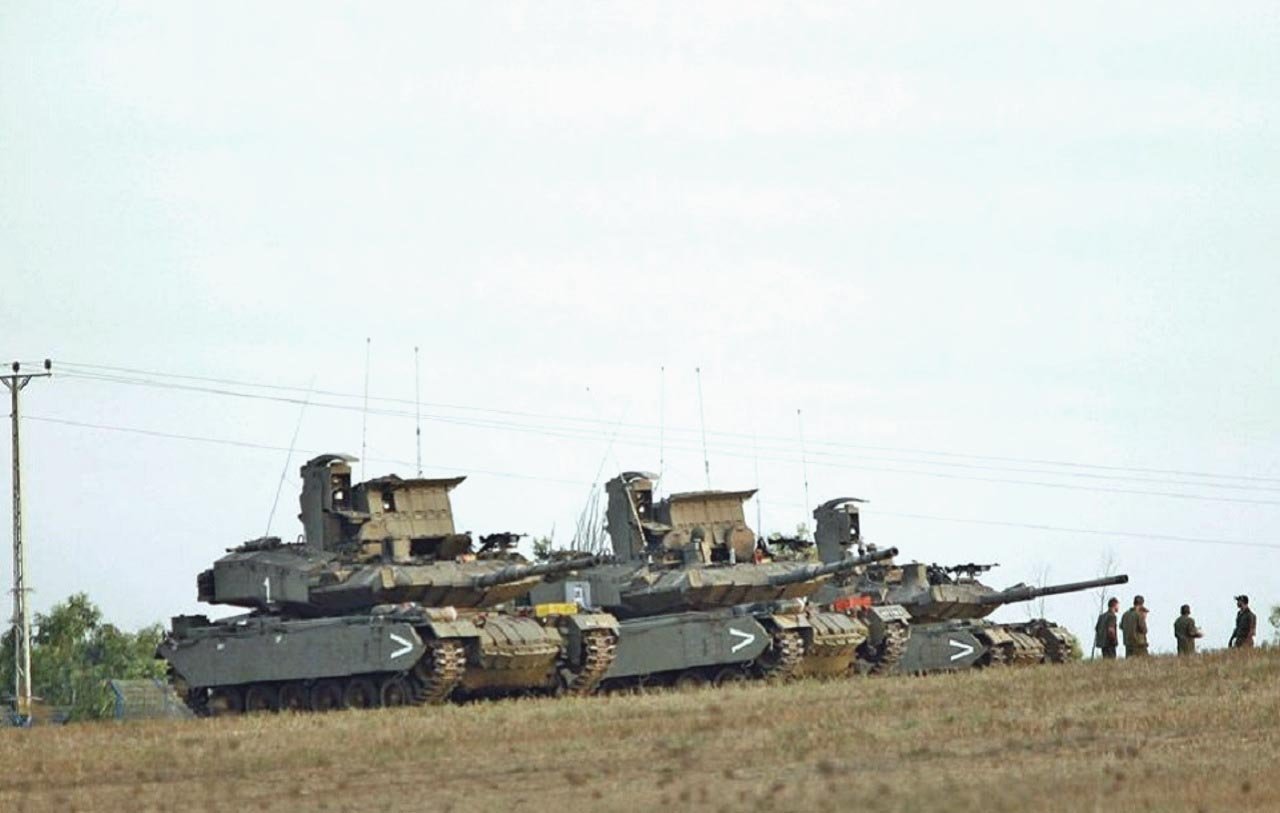
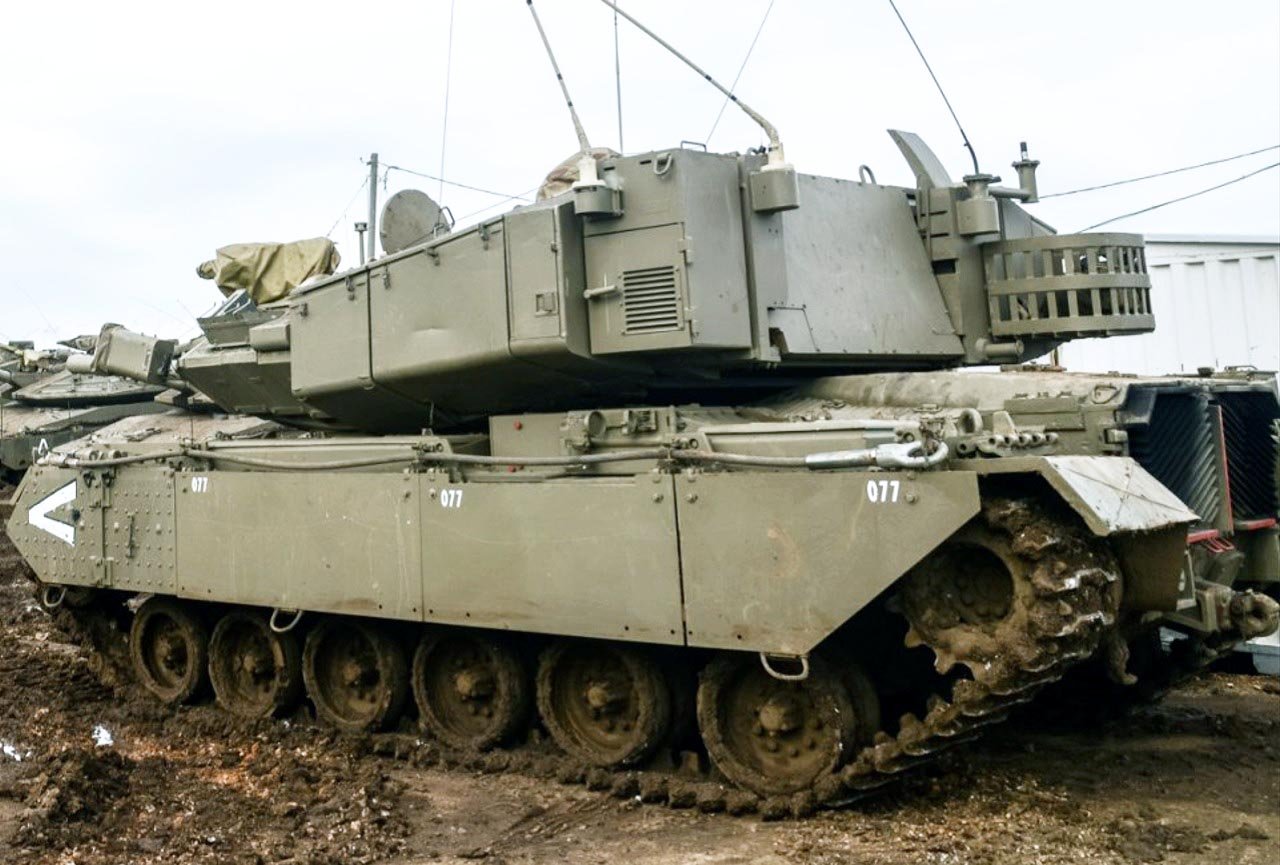
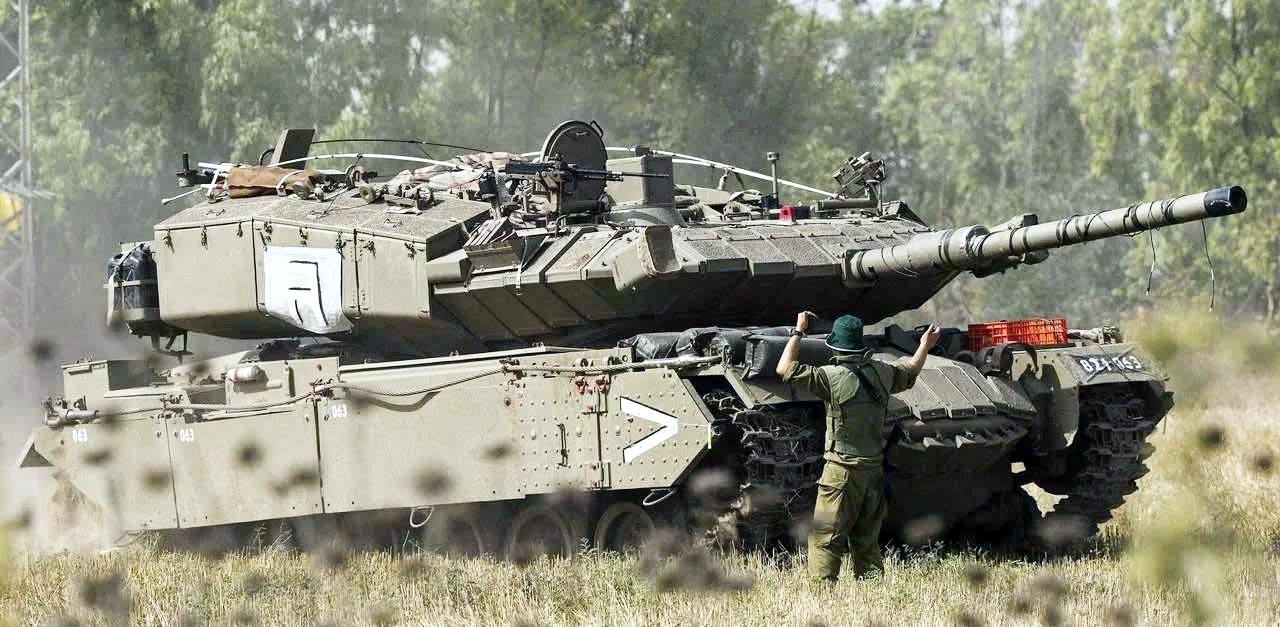
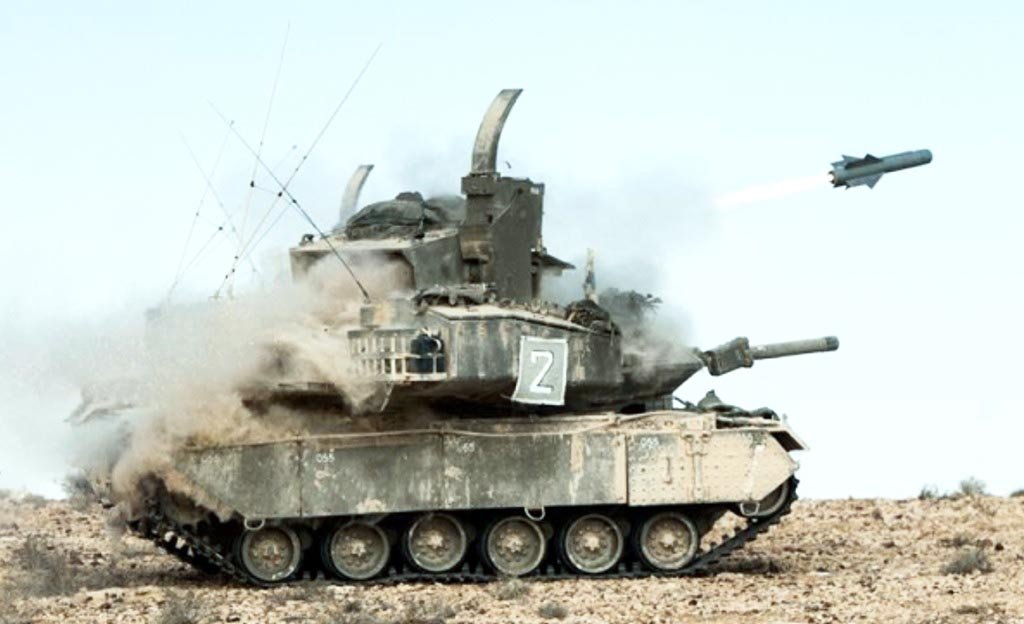
Forty vehicles were modified by installing a retractable missile launcher at the rear of the turret, creating a new turret bustle. The missile launcher consisted of 12 cells and was reloaded from outside the vehicle through two doors at the rear of the turret. The turret could rotate 360 ​​degrees and had a 105mm dummy gun to make it almost indistinguishable from standard M-48A5 Magach 5 tanks. While the turret is clearly much larger than those of standard tanks, at that time almost all Israeli M-48 and M-60 tanks had externally mounted Blazer reactive armor, which significantly increased their size, so the Pereh‘s appearance was not particularly striking in comparison.
pereh13
Pereh‘s mission was to attack targets beyond visual range with devastating precision. For this reason, the Pereh were assigned to a battalion attached to an elite artillery unit known as “Meitar”. This unit accompanied regular armored units, so Pereh didn’t attract attention and the deception worked really good. Pereh missile carrier was originally armed with Tamuz all-weather day and night anti-tank missiles with a 25 km range. These missiles featured an electro-optical guidance system which, when used in conjunction with advanced ground observers or aerial platforms, allowed them to engage targets beyond visual range (non-line of sight). Weighing 70 kg and carrying a powerful anti-tank warhead, this missile was typically used to destroy all types of ground targets, including moving vehicles.
pereh9
In 2009, Rafael introduced a new missile called the Spike NLOS (Non-Line-of-Sight), which replaced the Tamuz. Actually, it was essentially a modernized and improved Tamuz, which subsequently became the Pereh‘s primary weapon. These new missiles provided the vehicle with greater flexibility, offering three firing modes: “fire and forget,” “fire, observe and update”, and “fire and ateer”. In addition to the missiles, it carried two 7.62mm FN MAG machine guns for self-defense.
pereh12
Integrated into the 12-cell launcher was the electro-optical target designation system and a curved antenna, part of the two-way communications data link. This equipment, like the missile launcher itself, is carried stowed during movement and is only deployed during combat. It is believed that the Rafael Tycoon C4ISR (Command, Control, Communications, Computers, Intelligence, Surveillance, and Reconnaissance) system was also installed, allowing them to locate targets using GPS and interconnect Spike missile firing positions to optimize target assignment.
pereh14
Regarding the vehicle, the Magach 5 (M-48A5) MBT only underwent modifications to the turret to accommodate the missile launcher, but the engine and chassis were those installed in the standard variant. Its combat weight was approximately 50 tons, and mobility was provided by a 750 hp Continental AVDS-1790-2D diesel engine with an Allison CD-850-6 transmission, giving it performance similar to the M-48A5 tank. The maximum speed was 48 km/h, and the range was approximately 500 km. The 105mm L7A1 gun was replaced with an externally identical but dummy gun, and the armor remained the same, except for the modified turret section.
pereh7
The Pereh tank destroyer entered service in the mid-1980s, but its presence within the Israeli Army (IDF) remained secret until July 2015, during 30 years!. Nevertheless, some photos of a “strange tank” appeared during the 2006 Israel-Lebanon War and in 2008, near the Israeli-Syrian border, and were leaked online. Of course, IDF censors quickly removed these images and the secrecy continued. However, members of an online military and security forum contacted an IDF censor, who confirmed its existence “unofficially”.
pereh16
Again, in the spring of 2013 and the summer of 2014, new pictures of Pereh were leaked online, but the Israeli Army made no comment. At this time, some experts began to speculate that it was a missile launcher vehicle. However, it wasn’t until July 20, 2015, that the IDF, through its official Facebook page, confirmed the existence of the vehicle. Shortly after, Pereh was retired from service in 2017, although it is unknown whether the IDF has abandoned the concept or if there is a more modern vehicle that fulfills the same function.
pereh17
Following the unveiling of this vehicle, details of some of the operations in which it has participated have also emerged. It appears that its first action was an attack against Hezbollah positions in November 2005. In 2006, during the Second Lebanon War, the Meitar artillery unit launched 527 Tamuz missiles against Hezbollah. In 2009, it was used against Hamas during Operation Cast Lead, launching 26 missiles. During the period 1984-2009, the missile used by the Pereh was the Tamuz, which was later replaced by the Spike NLOS.
pereh11
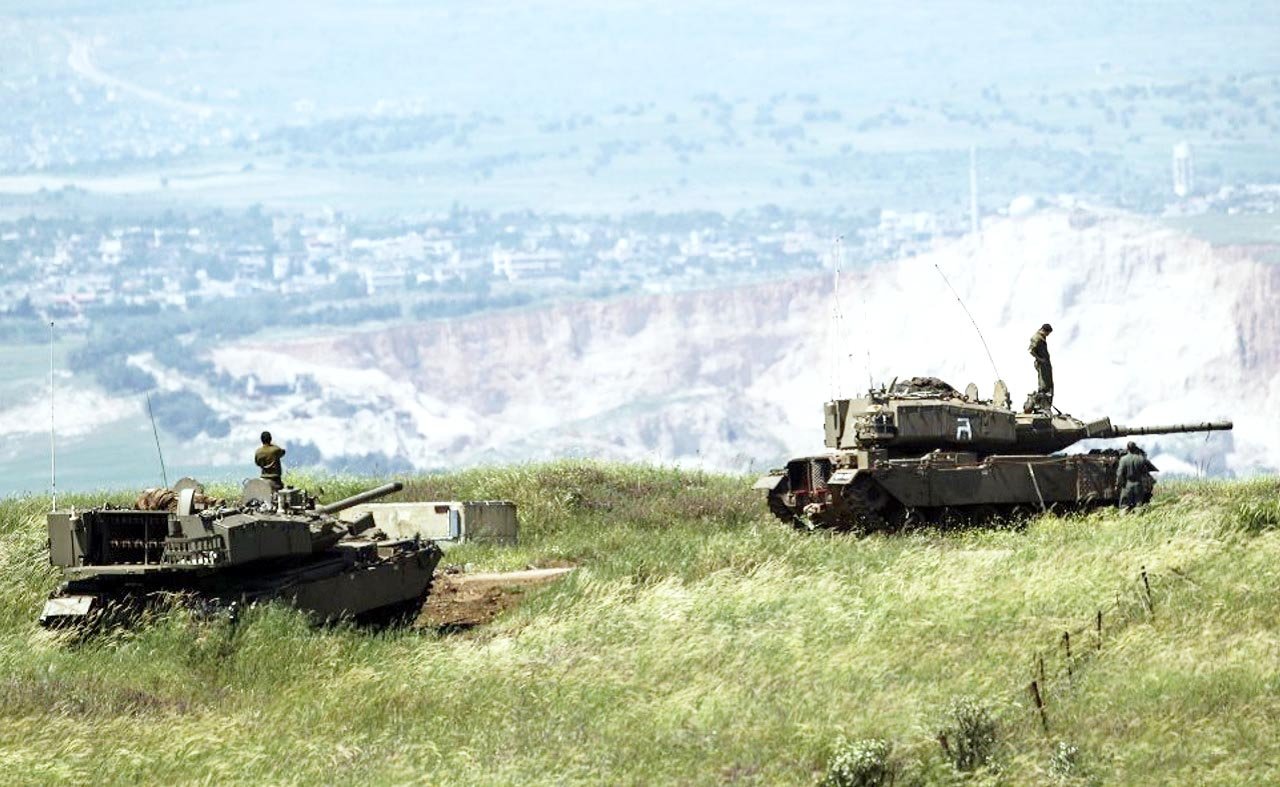
Pereh anti-tank missile carriers participated in Operation Pillar of Defense in 2012, and during 2012 and 2013 they were used to conduct precision strikes against Syrian artillery positions in the Golan Heights with the new Spike NLOS missile. In 2014, during Operation Protective Edge (also known as the 2014 Gaza War), this vehicle was observed in the combat zone and it was later revealed that it launched 433 Spike NLOS missiles against Hamas positions. This was its last operation, as they were decommissioned in 2017.

Related posts